

From Awareness to Action: Building a Local Movement for Men's Wellness in Colorado Springs
Colorado Springs has a reputation for rugged individualism, military strength, and mountain resilience. These are genuine sources of pride. But they also create particular challenges when it comes to men's mental health—a culture where asking for help can feel like admitting weakness. It's time for that to change. Not through abandoning our values of strength and resilience, but by expanding our understanding of what those qualities actually mean.

The Ripple Effect: How Supporting Men's Mental Health Strengthens Families and Communities
When a man commits to his own mental wellness, he doesn't just help himself. He initiates a cascade of positive effects that extend through his relationships, into his workplace, and across his community. Understanding this ripple effect transforms men's mental health from an individual concern into a collective opportunity—one that benefits everyone.

Breaking Generational Barriers: Teaching Young Men Emotional Literacy
A father sits across from his teenage son at dinner. The boy is withdrawn, grades slipping, spending most of his time alone in his room. The father wants to help but doesn't know how to start the conversation. He never learned to talk about feelings himself. This scene plays out in thousands of homes across America, representing one of our most critical and overlooked public health challenges: the emotional illiteracy crisis among boys and young men.
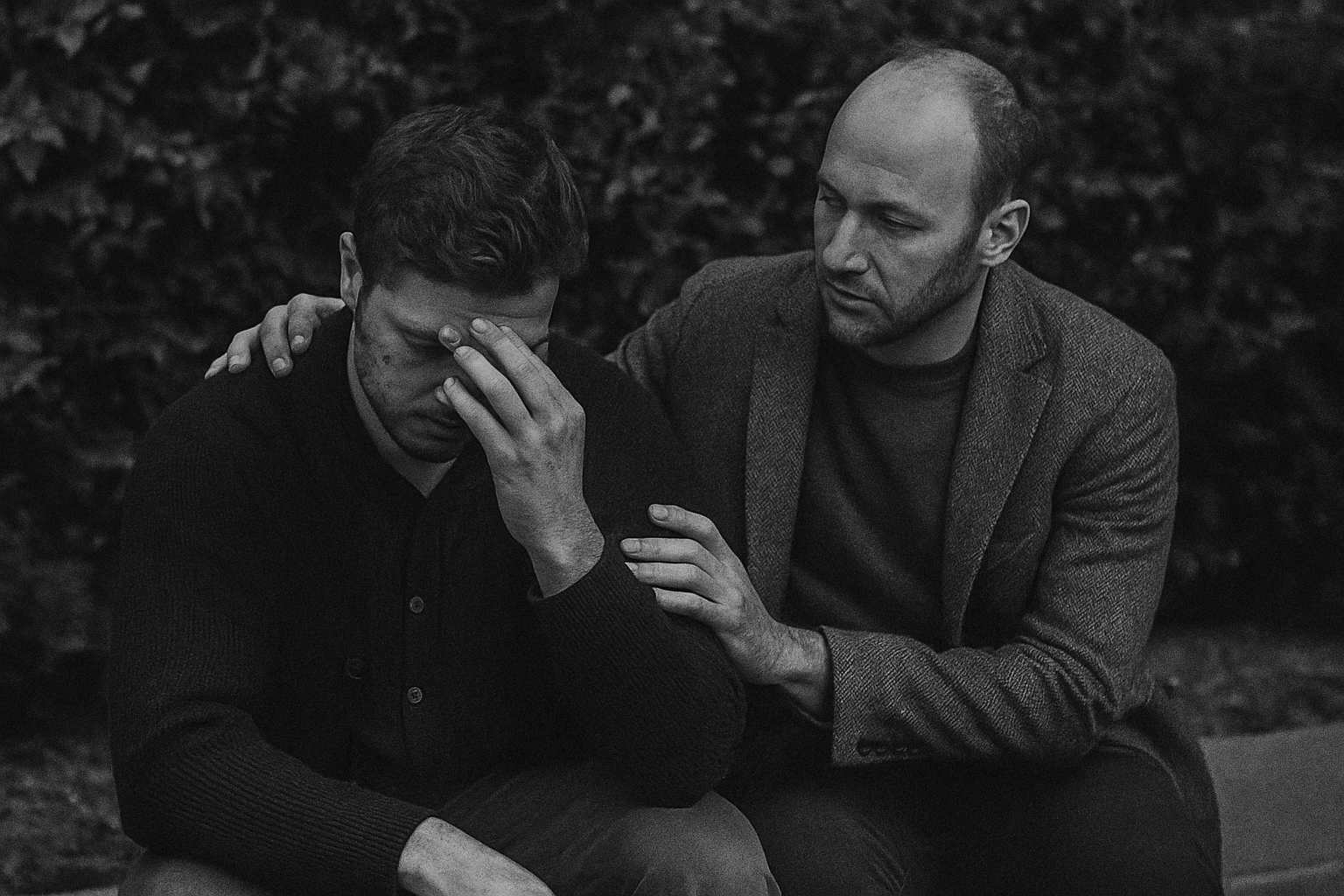
The Role of Style, Routine, and Identity in Men's Mental Wellness
There's a moment many men experience but rarely discuss: standing in front of a closet full of clothes, feeling like nothing represents who you truly are—or who you want to become. It seems superficial, even trivial, compared to "real" mental health challenges. But what if I told you that this disconnect between how you present yourself and how you see yourself is actually deeply connected to your mental wellness?

Leadership and Wellness: Why Emotional Intelligence Is the Next Competitive Edge
The skills that helped you secure your first leadership role probably won't sustain you in your next one. Technical expertise, strategic thinking, and industry knowledge remain valuable—but they're no longer sufficient for effective leadership in today's complex work environment. The differentiator? Emotional intelligence. A 2024 survey found that 71% of employers value emotional intelligence more than technical skills when evaluating candidates.
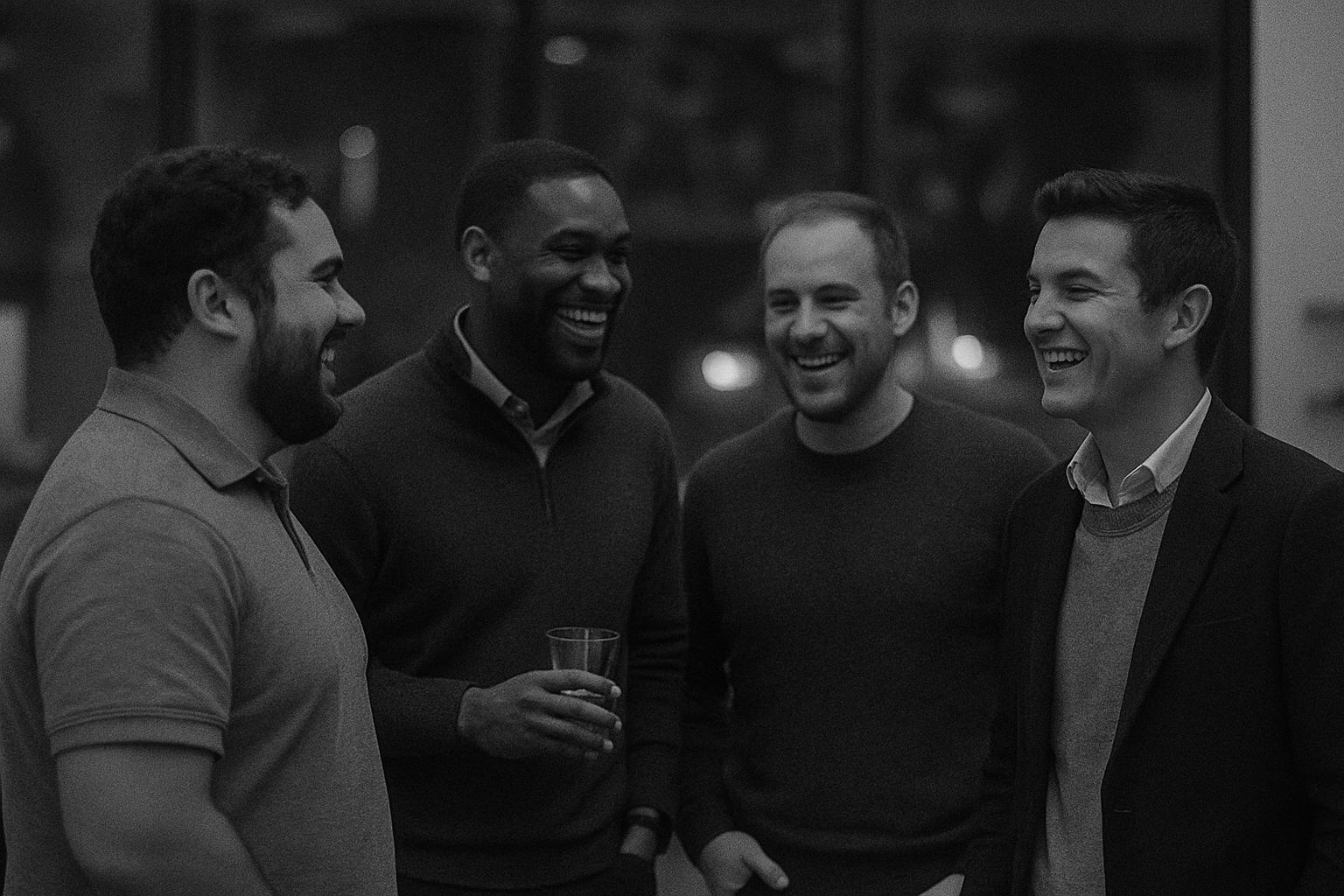
The Science of Connection: How Belonging Improves Mental and Physical Health
What if I told you that your relationships might be just as important to your health as your diet, exercise routine, or sleep habits? It sounds almost too simple—yet decades of rigorous research confirm a powerful truth: human connection is medicine. Social isolation and loneliness aren't just emotional experiences. They're biological threats that impact every system in our bodies.

Redefining Strength: How Vulnerability is Transforming Modern Masculinity
For generations, strength has been narrowly defined for men: stoicism in the face of pain, independence at all costs, emotional restraint even in moments of crisis. This script has been passed down through fathers, reinforced by culture, and internalized by millions of men who've learned to equate vulnerability with weakness. But here's what decades of research now confirm: this outdated definition of strength is literally killing us.

The State of Men's Mental Health in 2025: Why Community Matters
The numbers tell a stark story about men's mental health in America. In 2023, approximately 19% of men experienced some form of mental illness, yet only 40% of those men received any treatment (SAMHSA, 2024). This treatment gap isn't just a statistic—it represents millions of men struggling in silence, disconnected from the support systems that could transform their lives.

The Hidden Crisis: How Men's Mental Health Impacts Workplace Performance
In 2023, it was estimated that 19 percent of men in the U.S. had some type of mental illness in the past year. In male-dominated industries, prevalence of depression ranged from 0.0% to 28.0%, with many studies finding significantly higher rates than the general population.
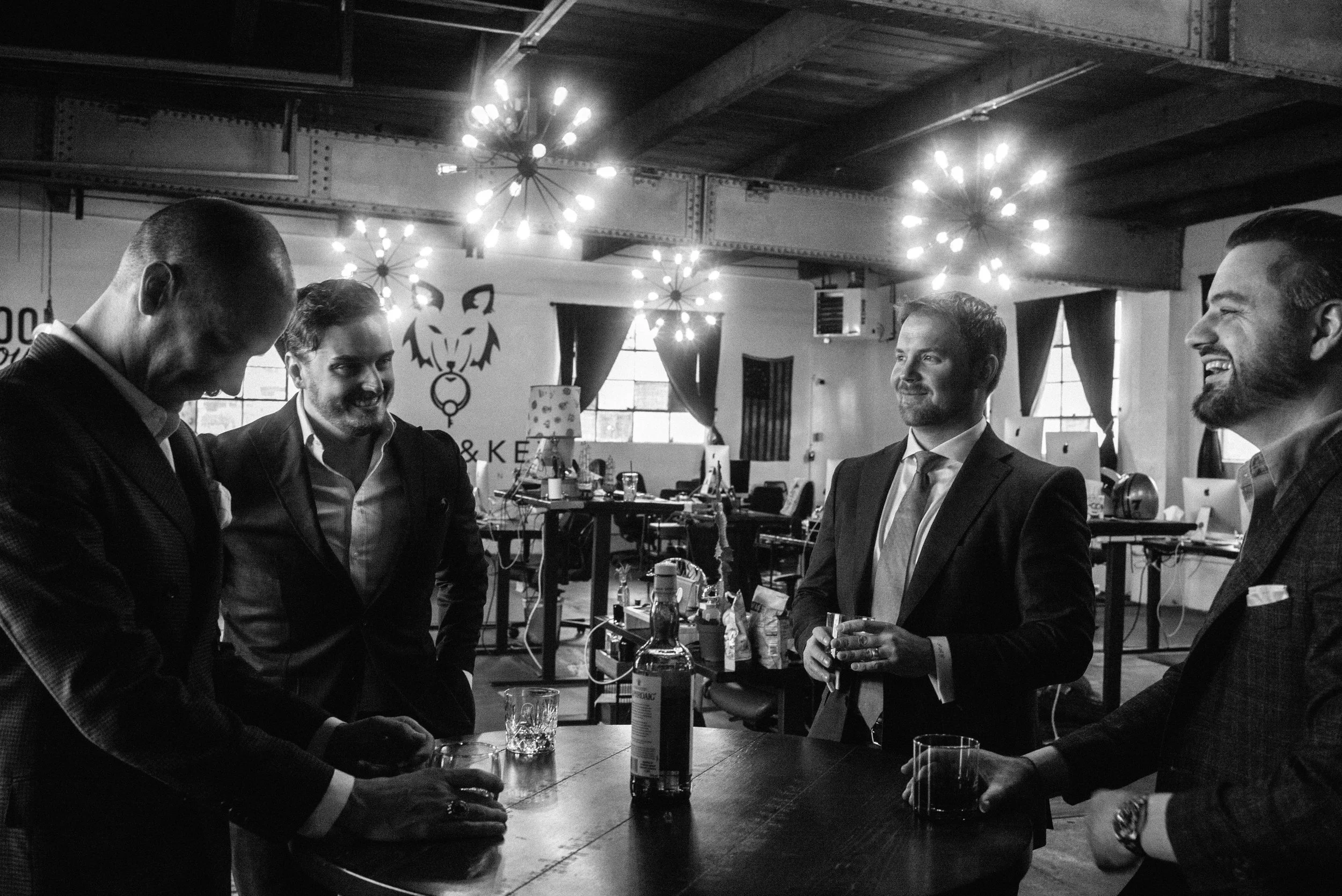
The Power of Purpose: How Meaningful Community Transforms Men's Lives
When a man transforms his relationship with mental wellness through meaningful community, the impact multiplies. More than half of respondents who receive training about mental health and/or resources available report it helped them feel more comfortable talking about mental health with coworkers.
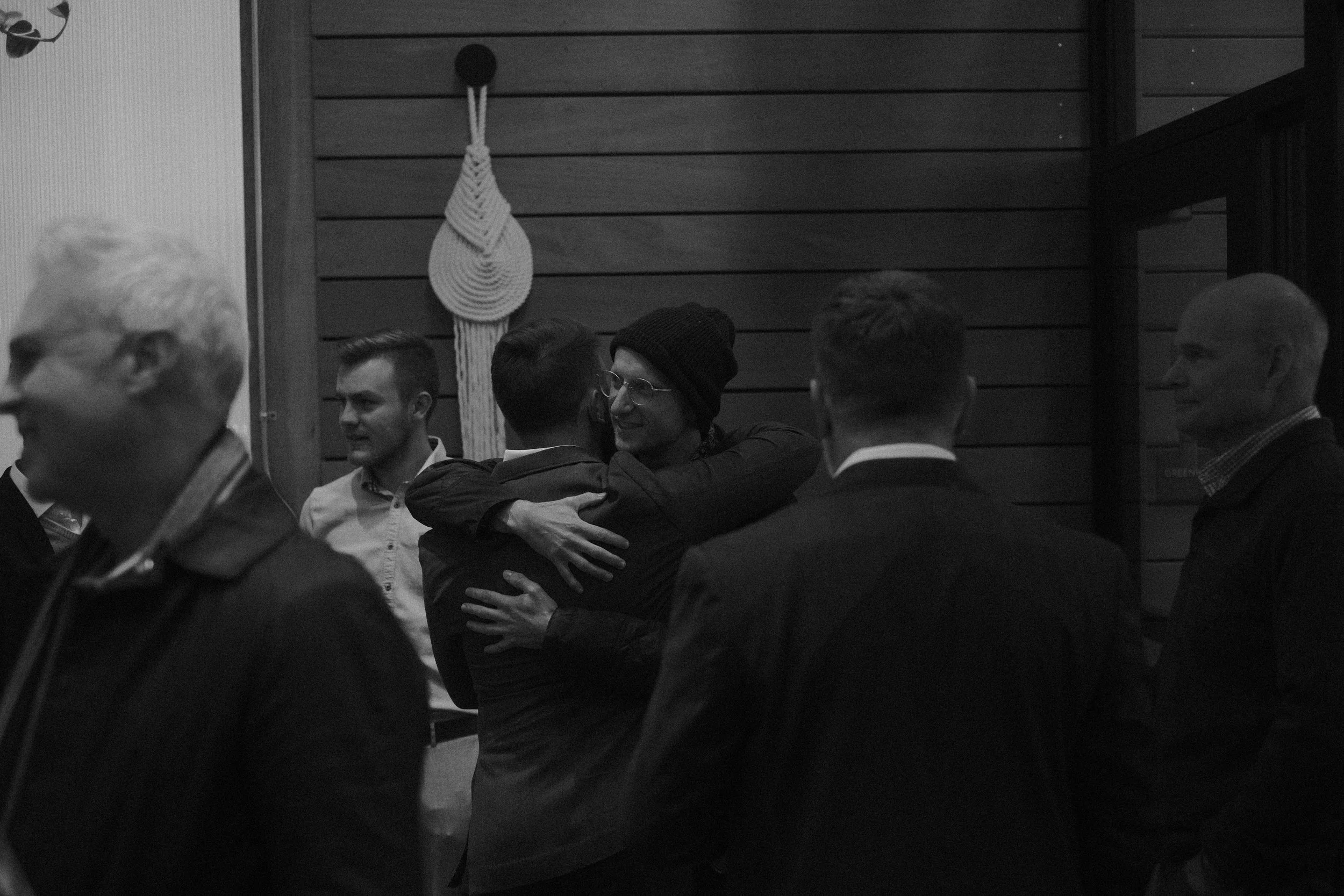
Redefining Strength: Building Community and Connection for Men's Wellness
We believe that when men feel supported and connected, they become better partners, fathers, colleagues, and community members. The ripple effect of men's wellness extends far beyond individual lives – it strengthens entire communities.

From Isolation to Action: Creating Safe Spaces for Men's Mental Health
If you've been struggling in silence, know that you're not alone. If you've been looking for a community that understands the unique challenges men face with mental health, you've found it.
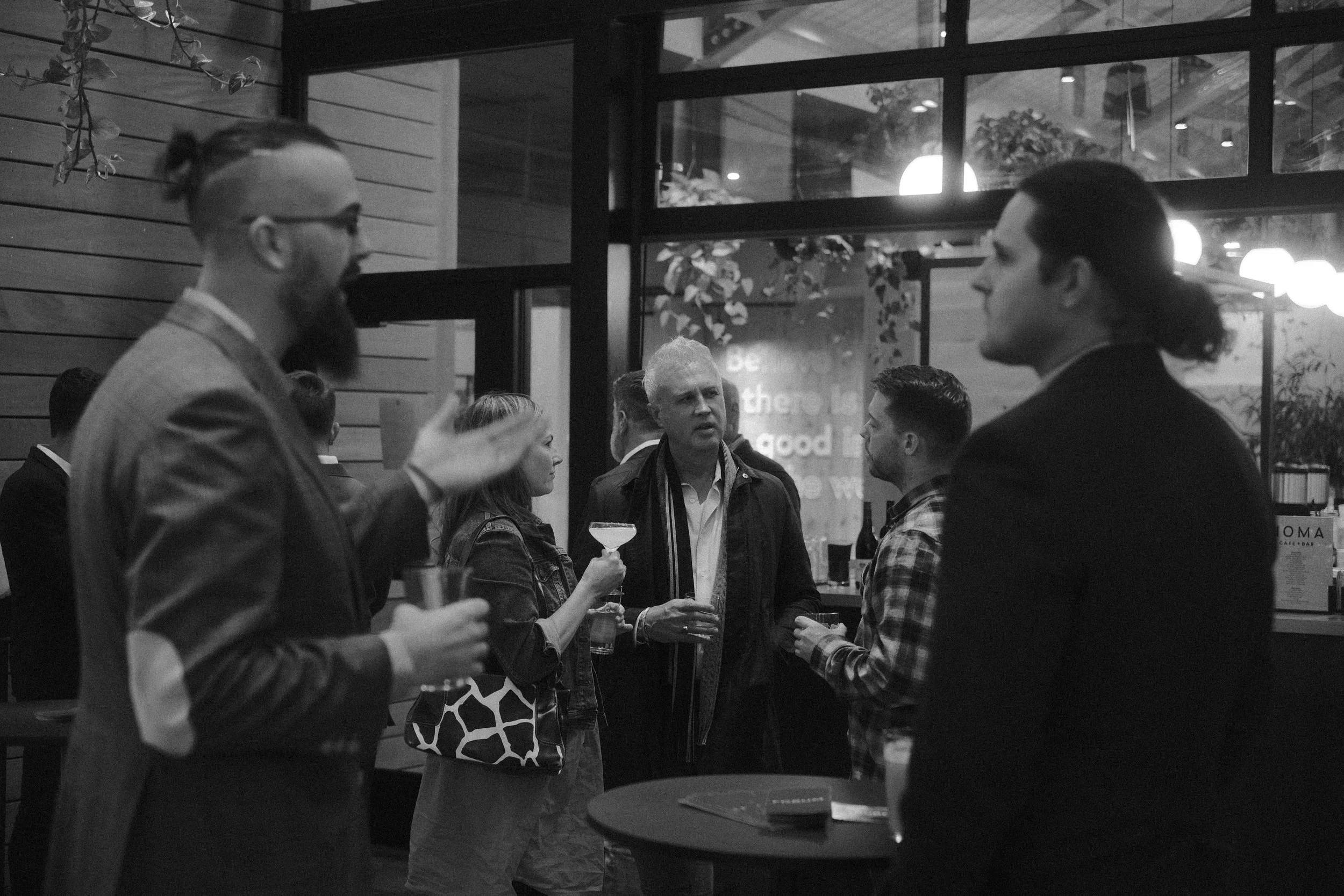
Breaking the Silence: Why 40% of Men Never Talk About Mental Health
The root of this silence often lies in outdated expectations of what it means to be a man. Traditional 'strong male' stereotypes still prevalent in our society – the idea that expressing emotion is a sign of weakness – continue to create barriers between men and the support they need.

Conversations That Inspire Change
The Inherent Self Podcast brings together entrepreneurs, community leaders, and everyday men to share stories of resilience, mental health, and purpose. Listen anywhere you get your podcasts, or explore episodes here on our site.

Be Part of the Movement
Every voice matters here. Whether you attend an event, join a program, or support our mission as a sponsor, you’re helping build a stronger future for men’s wellness.